
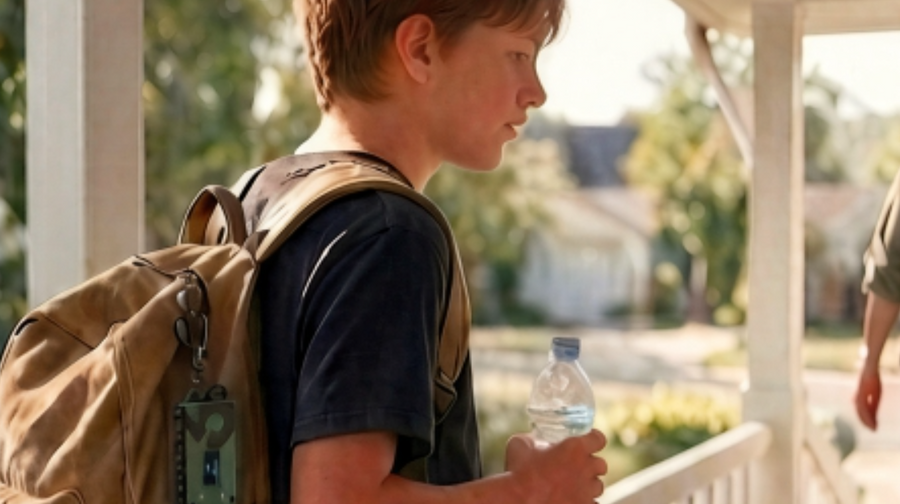
Morning Commute
Everyone heads a different direction
The teen carries Project Echo, one parent takes the GPS-equipped Trekker BRAVO, and the MiniTrekker clips to the third pack. One network, three directions.
School's Back. So Is Your Signal.
Off-grid communication for the whole squad. Three Meshtastic devices, one family network — no cell towers, no monthly fees, no dead zones between practice and pickup.
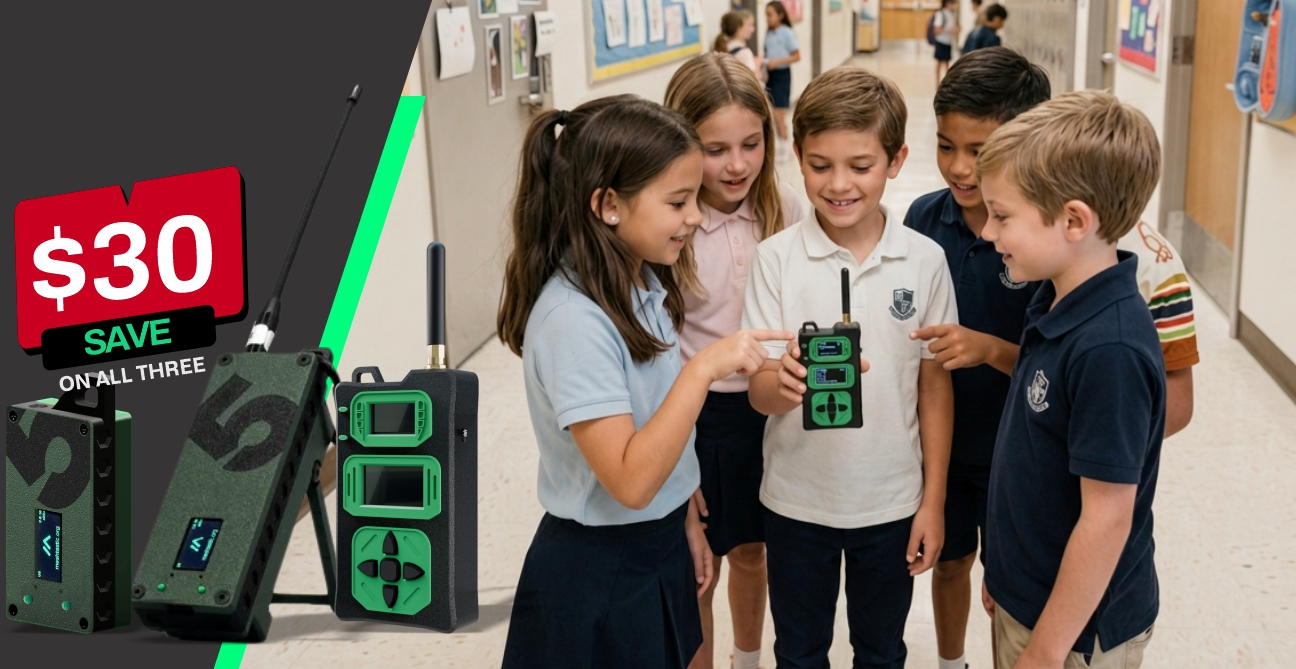
New school year, new schedules, and everyone heading a different direction. A family mesh gives each person their own device — and keeps the whole group on one network when the day goes sideways.
The teen carries Project Echo, one parent takes the GPS-equipped Trekker BRAVO, and the MiniTrekker clips to the third pack. One network, three directions.
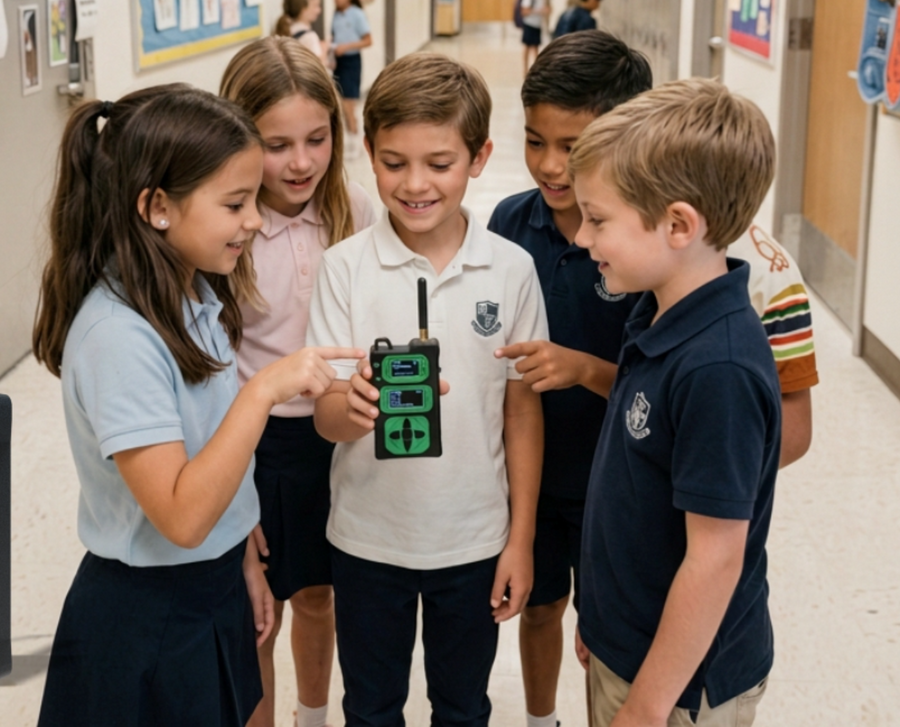
Pickup moved, the phone's at 3%, the field has no bars. Mesh messaging doesn't care — it runs on 915 MHz LoRa between your own devices.
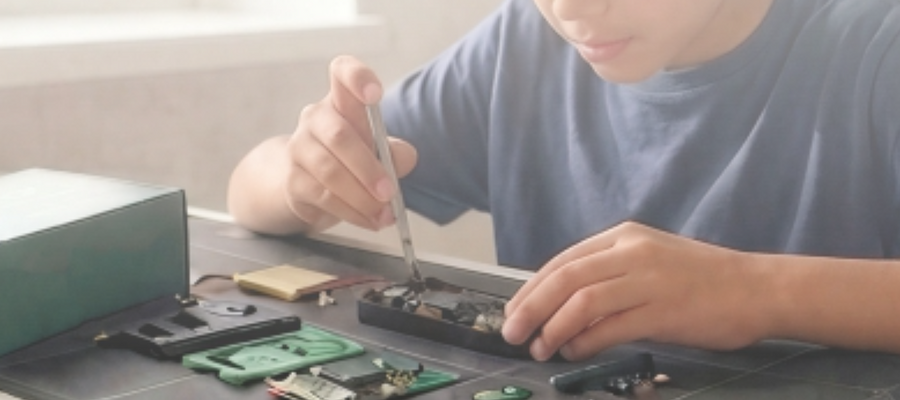
Hiking, camping, or a crowded stadium — the family carries its own network wherever the grid stops working.
Buy Project Echo and take $20 off the Trekker BRAVO and $10 off the MiniTrekker. Every device ships flashed, configured and ready to join the same Meshtastic network.
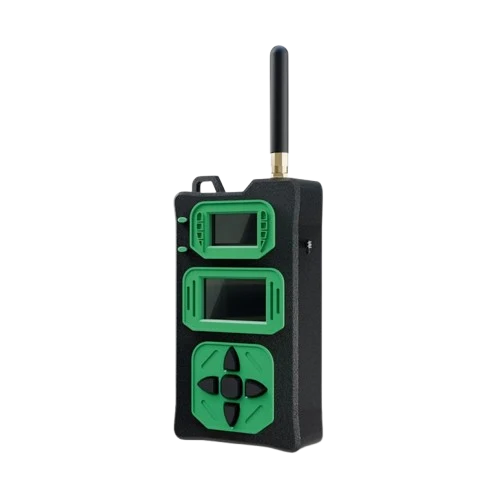
A build-it-yourself mesh radio with its own screen and keypad — no phone required to send a message. The hands-on node of the family set.
Start here — unlocks the $30 bundle savings
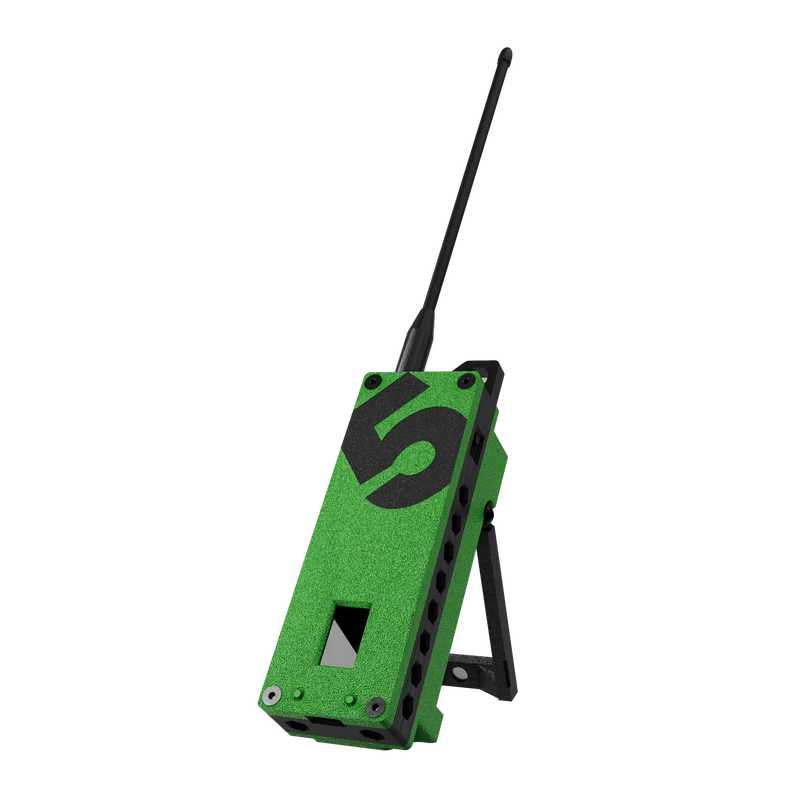
The GPS node. Rugged, out-of-the-box ready, and small enough to live in a bag or a console — so everyone stays on the same map.
$20 off with Project Echo
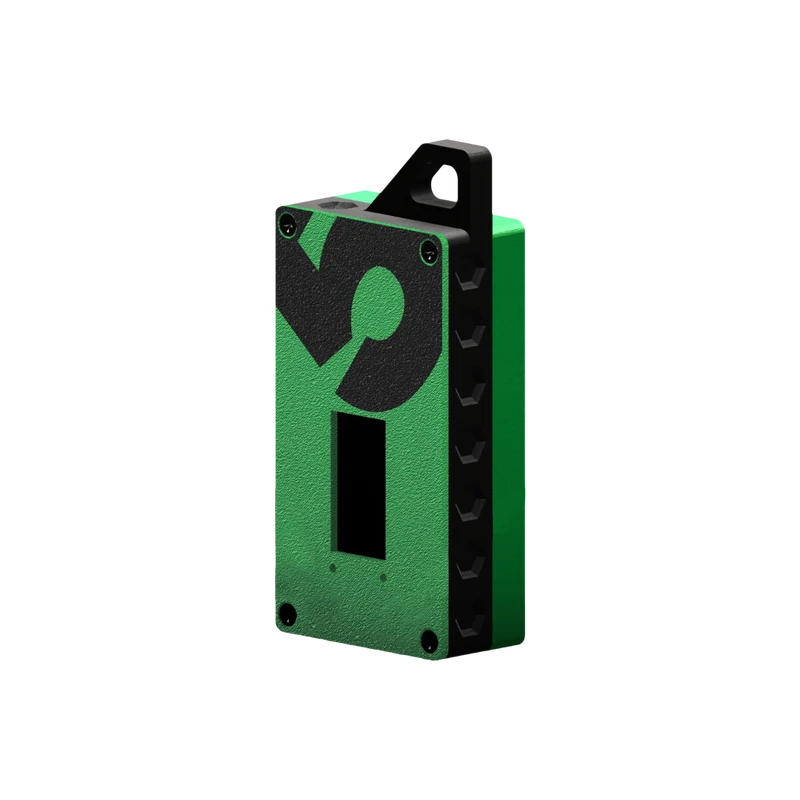
64 grams. Clips to a backpack strap and disappears. The easiest way to put a third person on the family network.
$10 off with Project Echo
Project Echo ships as a single node — and a mesh needs at least two. Take all three and you get a working family network out of the box, for $30 less.
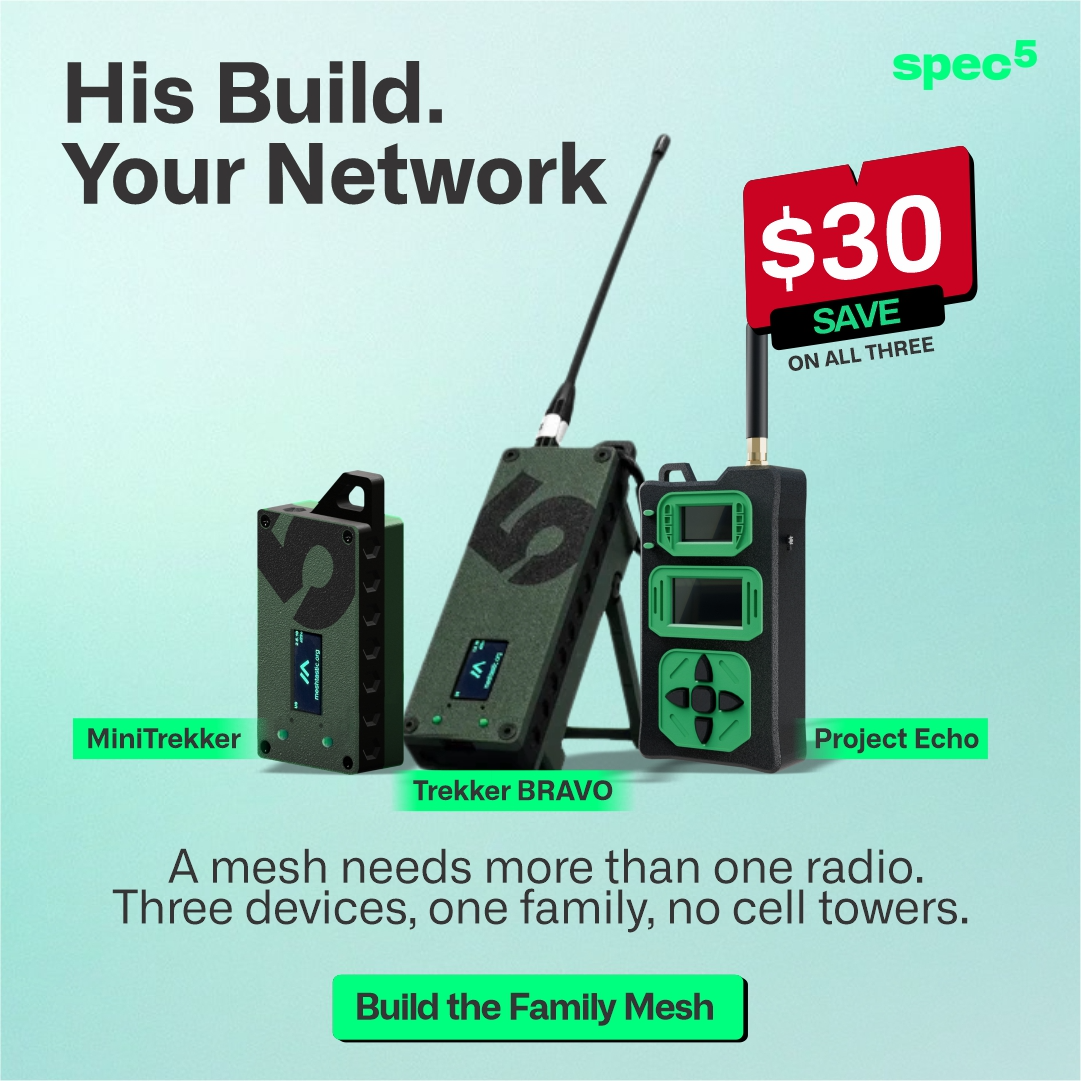
915 MHz LoRa mesh links your devices directly to each other. No carrier, no plan, no coverage map — the network is the three radios in your family's bags.
Devices talk to each other over LoRa. Nothing to subscribe to, nothing to lose when the grid does.
Integrated GPS puts one parent's position on the family map without an app subscription.
Project Echo has its own screen and keypad — a message goes out even with a dead handset.
All three run the same Meshtastic firmware, pre-flashed and configured to find each other.
It gives the teen a hands-on introduction to building and using a mesh communication device — custom PCB, OLED display, LiPo battery, enclosure — while the rest of the family becomes part of the network they just built.
Build it. Beginner-friendly assembly, no advanced soldering. Screws, spacers and a guide in the box.
Flash it. Open-source firmware on GitHub — modify the UI, learn how messages actually travel.
Add the family. Power up the BRAVO and MiniTrekker and the three nodes form the mesh.
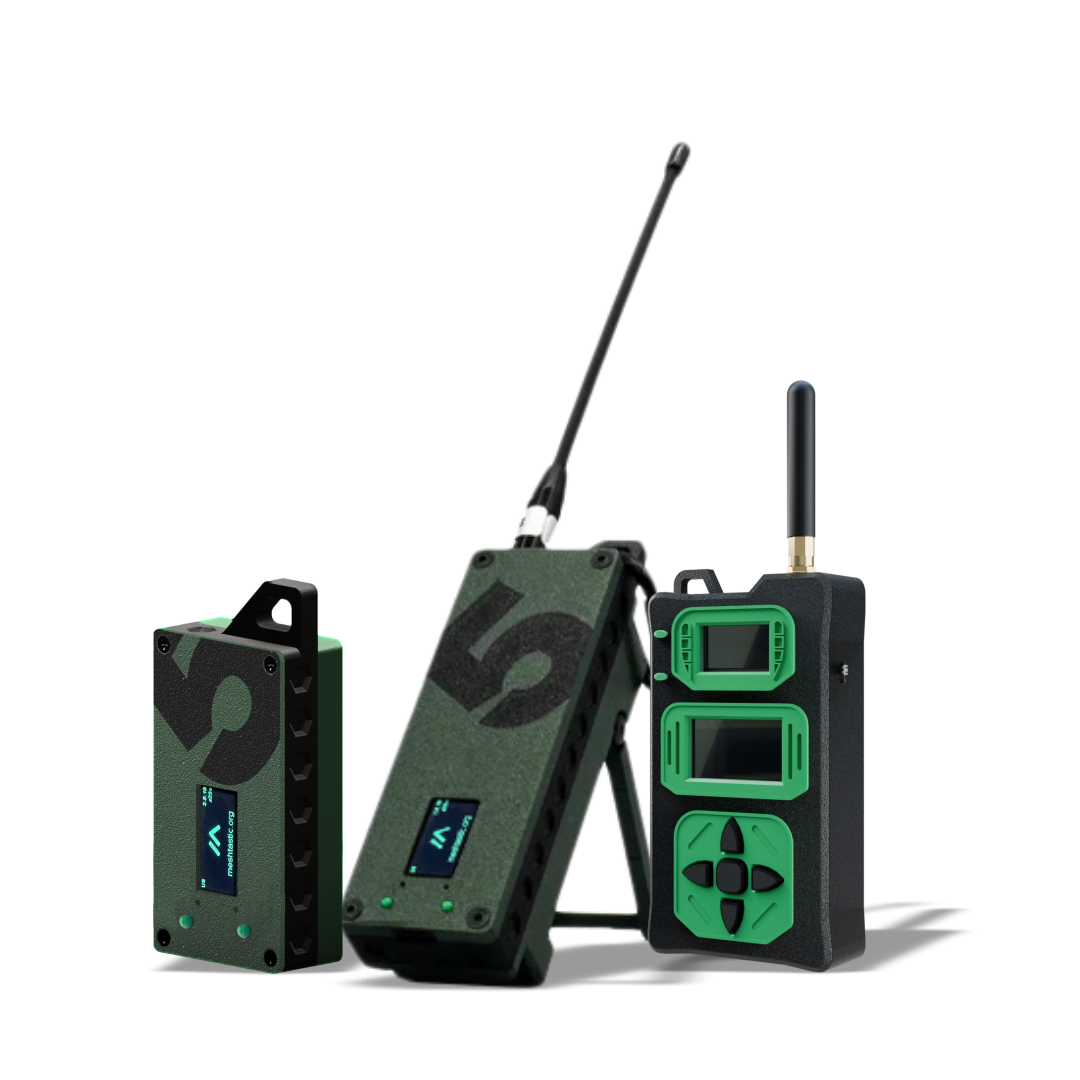
The SpecFive Back to School Family Set is designed for communication during everyday activities outside school hours, including commuting, after-school activities, and outdoor adventures. These devices are not intended to replace smartphones or serve as a substitute for school-approved communication methods during school hours. Communication range and performance vary based on terrain, environment, network configuration, and other conditions.